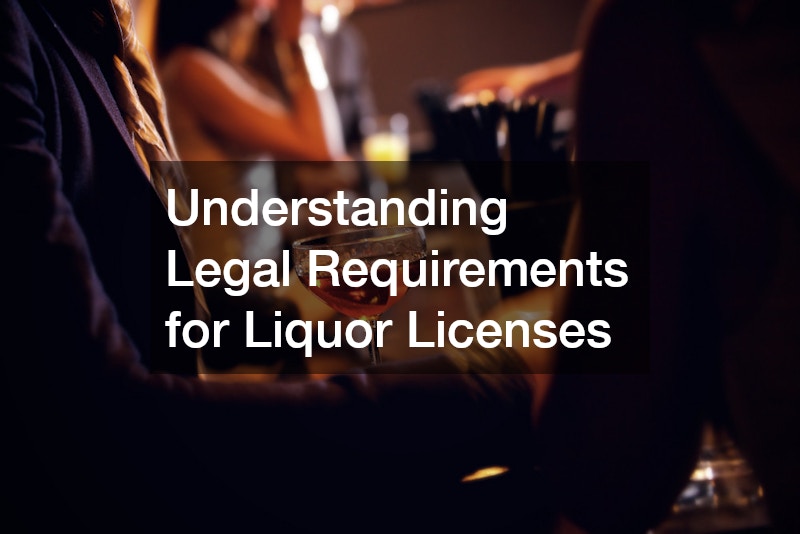
Opening, selling, or serving alcohol can be a profitable business decision, but it also comes with strict legal responsibilities. Whether you are launching a new restaurant, purchasing an existing bar, or adding alcohol service to an event venue, understanding the legal requirements for liquor licenses is essential. These regulations are designed to protect public safety while ensuring businesses operate responsibly. Because the process can be complex and highly regulated, many business owners turn to a liquor license attorney to help them navigate the legal landscape efficiently and avoid costly mistakes.
What Is a Liquor License?
A liquor license is a government-issued permit that allows a business or individual to sell, serve, manufacture, or distribute alcoholic beverages. Licenses are typically issued by state or provincial authorities, with additional oversight from local municipalities.
The type of license required depends on several factors, including the nature of the business, the type of alcohol sold (beer, wine, or spirits), and whether consumption occurs on-site or off-site.
Liquor licenses are not universal; each jurisdiction has its own classifications, application procedures, and compliance rules. This means that a license valid in one city or state may not be transferable or recognized in another.
Types of Liquor Licenses
Liquor licenses vary widely, but common categories include:
-
On-premises licenses, allowing alcohol consumption at the location, such as bars, restaurants, and nightclubs
-
Off-premises licenses, permitting alcohol sales for consumption elsewhere, such as liquor stores
-
Special event permits are designed for temporary alcohol service at festivals, weddings, or corporate events
-
Manufacturer or distributor licenses for breweries, wineries, and wholesalers
Choosing the correct license is critical. Applying for the wrong type can delay approval or lead to fines and enforcement actions.
Key Legal Requirements
The legal requirements for obtaining and maintaining a liquor license typically include:
-
Eligibility standards – Applicants must meet age requirements, have a clean criminal background, and demonstrate financial responsibility.
-
Zoning and location approval – Alcohol sales are often restricted in certain areas, especially near schools, religious institutions, or residential zones.
-
Application documentation – This may include floor plans, lease agreements, business formation documents, and personal disclosures.
-
Public notice and hearings – Some jurisdictions require public notice or allow community members to object to a license application.
-
Fees and renewals – Licensing fees can be substantial, and licenses must be renewed regularly to remain valid.
Failure to comply with any of these requirements can result in denial, suspension, or revocation of the license.
Ongoing Compliance Obligations
Obtaining a liquor license is only the beginning. License holders must continuously comply with alcohol laws and regulations. Common compliance obligations include employee training, checking identification, limiting service hours, and preventing over-service or sales to minors.
Regulatory agencies may conduct inspections without notice, and violations can result in fines, temporary closure, or permanent loss of the license. In serious cases, owners may face civil liability or criminal charges.
The Role of Legal Guidance
Because alcohol regulations are both detailed and frequently updated, professional legal guidance can be invaluable. A liquor license attorney can assist with selecting the appropriate license, preparing applications, responding to regulatory inquiries, and representing the business during hearings or appeals. Legal counsel is especially important when purchasing an existing licensed business, as licenses may not automatically transfer with ownership.
Attorneys also help businesses understand local ordinances that may impose additional requirements beyond state law, ensuring full compliance at every level of government.
Common Challenges and Mistakes
Many applicants underestimate the time and complexity involved in the licensing process. Common mistakes include submitting incomplete applications, ignoring zoning restrictions, or failing to disclose prior violations. Another frequent issue is assuming that a license is permanent when, in reality, it is conditional on continued compliance.
Businesses that expand or change their operations—such as adding outdoor seating or live entertainment—may need to modify their license. Overlooking these requirements can trigger enforcement actions that disrupt operations and damage reputations.
Understanding the legal requirements for liquor licenses is a critical step for any business involved in alcohol sales or service. From choosing the right license to maintaining ongoing compliance, each stage requires careful attention to detail and adherence to local, state, and federal laws. Working with a knowledgeable liquor license attorney can help business owners reduce risk, avoid delays, and operate with confidence in a highly regulated industry. By approaching liquor licensing strategically and responsibly, businesses can focus on growth while staying on the right side of the law.
Another important consideration in liquor licensing is the impact of ownership structure on eligibility and compliance. Partnerships, corporations, and limited liability companies may face additional disclosure requirements, including background checks for officers, directors, and major shareholders. Changes in ownership, even partial ones, often must be reported to licensing authorities and may require prior approval. Failing to notify regulators of these changes can jeopardize an otherwise valid license and expose the business to enforcement actions.
License holders should be aware that alcohol laws are subject to change as governments respond to public health concerns, community standards, and economic conditions. New regulations may affect operating hours, delivery and takeout alcohol sales, or advertising restrictions. Staying informed and adapting to these changes is essential for long-term success. Many businesses conduct periodic compliance reviews to ensure policies and staff training remain aligned with current legal requirements, reducing the risk of violations and protecting their investment.