
Practicing law at a high level is inherently demanding. Attorneys face relentless pressure from tight court deadlines, complex procedural rules, high client expectations, and the heavy emotional weight of life-altering legal disputes. Whether representing someone facing severe criminal charges, guiding a family through a contentious marital dissolution, or advocating for a victim recovering from a severe accident, the daily realities of legal practice can easily lead to physical exhaustion and professional burnout if left unmanaged.
For decades, the legal culture celebrated long hours, constant availability, and self-sacrifice as mandatory badges of success. However, modern legal professionals increasingly recognize that long-term career longevity and high-quality representation require a different approach. Sustainable practice is not about working less; it is about working smarter, establishing clear operational boundaries, leveraging modern technology, and protecting personal well-being while managing complex, high-stakes matters.
Managing High-Pressure Criminal Defense Workload and Vicarious Trauma

Criminal litigation is one of the most intense sectors of legal practice. Attorneys operating in state and federal criminal courts regularly handle cases where personal liberty, constitutional rights, and lifetime reputations are at stake. Managing this level of responsibility requires structured systems to maintain focus, organize discovery, and process the emotional toll of high-stakes representation.
Establishing Strict Boundary Protocols for Client Communication
Incarcerated clients or individuals facing serious charges naturally experience acute anxiety, leading to frequent contact attempts outside normal business hours. Without clear boundary protocols, an attorney’s personal life quickly becomes overwhelmed by constant emergency calls and irregular updates.
-
Set explicit communication guidelines during initial onboarding, outlining standard business hours for non-emergency inquiries and acceptable communication channels.
-
Implement cloud-based client portals to allow clients and family members to check upcoming court dates, view uploaded discovery, and track case progress independently.
-
Train administrative staff and paralegals to handle routine scheduling, billing inquiries, and basic procedural questions, reserving direct attorney contact for strategic decisions.
-
Establish a dedicated after-hours answering service to screen urgent calls, ensuring true legal emergencies—such as late-night arrests—are escalated while routine matters wait for morning business hours.
-
Schedule dedicated times during the day for reviewing mail, answering emails, and returning phone calls rather than reacting to incoming notifications continuously.
When experienced local criminal lawyers establish clear communication boundaries early, they protect their personal time while fostering professional, predictable relationships with clients and court personnel.
Implementing Trauma-Informed Debriefing and Peer Support Systems
Reviewing graphic evidence, managing high-stress court hearings, and confronting the harsh realities of the correctional system expose defense counsel to significant secondary trauma over time.
By adopting proactive mental health strategies, dedicated criminal defense attorneys protect their emotional well-being while continuing to offer sharp, focused, and aggressive courtroom advocacy for those facing severe criminal exposure.
Streamlining High-Volume Misdemeanor and Traffic Defense Practices
Volume-driven defense practices demand exceptional organizational efficiency. Managing dozens of active client files across multiple courtrooms requires streamlined intake procedures, standardized document management, and automated scheduling systems to avoid missed deadlines and cognitive fatigue.
Standardizing Client Intake and Document Management Workflows
Handling misdemeanor charges and impaired-driving offenses involves strict statutory deadlines for filing motions, requesting administrative hearings, and reviewing technical evidence such as chemical test results or body-camera footage.
-
Develop standardized discovery intake checklists to audit police reports, breathalyzer calibration logs, field sobriety videos, and chain-of-custody documentation systematically.
-
Automate court appearance reminders via text message and email to minimize non-appearances and reduce the need for administrative follow-up calls.
-
Create pre-formatted template banks for routine filings, such as demands for speedy trial, discovery requests, and notices of appearance, allowing staff to draft pleadings efficiently.
-
Utilize centralized calendar software synced across all mobile devices to track multi-jurisdictional court dockets, filing deadlines, and client conferences in real time.
-
Conduct structured post-court debriefs at the end of each morning session to update file notes immediately while details remain fresh.
By refining administrative routines, a dedicated dui attorney can process complex technical data efficiently, navigate tight administrative license suspension deadlines, and reduce daily operational stress.
Scaling Institutional Operations Without Sacrificing Quality of Care
Growing a defense practice requires delegating responsibilities, training junior associates, and standardizing operational processes so that senior partners are not bogged down by lower-level administrative tasks.
-
Implement a tiered court coverage schedule, assigning associate attorneys to handle calendar calls and routine status conferences while partners focus on evidentiary hearings and trials.
-
Establish formal mentorship programs within the firm, pairing junior lawyers with experienced litigators to review motion drafting, negotiation strategies, and courtroom etiquette.
-
Build an internal knowledge base containing firm-approved research memos, common suppression motions, and local court rule summaries accessible to all legal staff.
-
Schedule regular case-load reviews to monitor file distribution, ensuring no single practitioner becomes overwhelmed by excessive file counts.
-
Invest in comprehensive practice management software that integrates client intake, time tracking, document generation, and billing into a single interface.
Structuring a scalable criminal defense law firm creates a supportive working environment where legal teams handle high caseload volumes efficiently while maintaining reasonable working hours and preventing team burnout.
Navigating Emotional Intensity and Long-Term Litigation in Personal Injury

Civil litigation practices focused on bodily injury operate under unique pressures. Case files often remain open for months or years while clients undergo medical treatment, and firm income depends largely on contingent fee structures. Managing client expectations and financial stability over extended timelines requires deliberate planning.
Managing Client Expectations Across Extended Settlement Timelines
Victims of serious accidents often face financial strain, ongoing physical pain, and frustration with slow legal and insurance processes. Keeping clients informed without absorbing their personal stress is crucial for sustainable practice.
-
Create detailed onboarding materials explaining the typical phases of personal injury litigation, including medical treatment, discovery, depositions, mediation, and trial.
-
Establish a mandatory monthly touchpoint rule to update clients on case progress, even if the update simply confirms that medical treatment or discovery is ongoing.
-
Set clear boundaries regarding financial discussions, explaining early that legal counsel cannot provide personal loans or predict exact settlement figures during early treatment stages.
-
Utilize dedicated paralegals and case managers as primary day-to-day contacts for medical record gathering, keeping attorneys free to focus on legal strategy and liability analysis.
-
Conduct regular settlement evaluations to analyze liability strength, policy limits, and client medical costs, providing realistic advice grounded in evidence rather than emotion.
By maintaining open, structured communication, local personal injury attorneys build strong client trust while keeping personal boundaries intact during long-term negotiations.
Structuring Case Selection Filters to Maintain Sustainable Workloads
Taking on every prospective case regardless of liability strength or policy limits clutters firm dockets, strains office resources, and leads to administrative exhaustion.
-
Establish rigorous intake criteria evaluating liability clarity, insurance policy coverage, severity of damages, and collectability before accepting a case.
-
Limit the maximum number of active files assigned to each attorney to ensure every client receives thorough attention and strategic focus.
-
Develop professional referral partnerships with external specialists for complex, niche, or out-of-state matters that lie outside the firm’s core expertise.
-
Review stagnant files quarterly to make strategic decisions regarding litigation, settlement adjustments, or formally withdrawing from unviable matters.
-
Maintain a balanced portfolio of short-term settlement files and larger litigation matters to ensure steady firm cash flow and balanced workload distribution.
Adopting selective intake processes allows successful local personal injury lawyers to focus their time and energy on high-merit claims, improving case outcomes while protecting staff from chronic overload.
Mitigating Compassion Fatigue in High-Severity Physical Trauma Litigation
Handling catastrophic injury claims presents intense emotional challenges. Representing individuals coping with spinal cord injuries, severe brain trauma, or amputations requires immense empathy, but exposure to profound human suffering can lead to emotional exhaustion if not properly managed.
Managing Psychological Weight in Severe Life-Altering Claims
Attorneys working on high-severity injury claims must balance compassionate client care with professional distance, ensuring their judgment remains sharp while protecting their mental health.
-
Employ dedicated medical summarists or nurse paralegals to pre-screen and digest voluminous medical charts, operative reports, and graphic accident photos.
-
Establish strict physical boundaries, such as keeping case files and graphic evidence out of personal living spaces when working remotely.
-
Utilize cognitive reframing techniques to focus on actionable legal solutions and practical recovery assistance rather than dwelling on the tragedy of the event.
-
Participate in professional legal support networks, legal wellness programs, or specialized counseling to process vicarious trauma safely.
-
Take scheduled breaks away from high-stress case preparation, ensuring time is set aside to re-charge after difficult client depositions or settlement conferences.
Applying these psychological boundary strategies helps catastrophic injury attorneys provide compassionate, top-tier advocacy without sacrificing their long-term well-being.
Diversifying Practice Networks to Support Holistic Client Needs
Catastrophic injury cases often involve intersecting legal challenges, including insurance disputes, guardianship needs, disability filings, and even parallel criminal investigations when accidents involve reckless or impaired driving.
-
Build strong working relationships with probate, estate planning, and special-needs trust specialists to protect long-term settlement structures for injured clients.
-
Consult with specialized appellate or coverage co-counsel early in complex litigation to share the technical burden of high-stakes legal motions.
-
Connect clients with professional medical case managers, life-care planners, and social workers to address immediate personal care needs outside the legal scope.
-
Collaborate with parallel legal teams when civil claims arise from incidents involving municipal liability or criminal charges against a defendant.
-
Maintain an updated directory of local criminal law services to assist clients or witnesses who require specialized criminal representation arising from an incident.
Balancing Emotionally Charged Family Disputes and High-Conflict Domestic Law

Family law practices deal with deeply personal disputes involving child custody, asset division, and marital dissolution. Because clients are often undergoing one of the most stressful experiences of their lives, attorneys frequently face emotional volatility, late-night communication demands, and shifting client priorities.
Defusing Client Anxiety and Controlling Communication Channels
High-conflict domestic cases can easily spill over into an attorney’s personal life if firm communication boundaries are not strictly established and enforced.
-
Require all routine client communication to occur through secured messaging portals or dedicated office email rather than personal cell phones or text messages.
-
Set explicit ground rules during initial intake regarding appropriate emergency contacts, explaining that non-emergency messages received after hours will be reviewed the next business day.
-
Guide clients toward licensed family counselors, child psychologists, and financial planners to address emotional and non-legal support needs.
-
Maintain a calm, objective, and neutral tone during emotional client interactions, focusing discussions strictly on legal strategy, court orders, and evidence.
-
Use written summary emails after emotional phone calls to confirm agreed-upon action items clearly and keep legal strategy on track.
Setting firm interpersonal boundaries allows a seasoned divorce lawyer to navigate high-conflict court disputes effectively while protecting their own personal time from continuous domestic crises.
Implementing Team-Based Case Management in Domestic Practice
Relying on a single attorney to manage every aspect of a complex domestic file increases stress and creates operational bottlenecks. A team-based approach spreads the workload and improves overall client care.
-
Assign specialized paralegals to manage financial disclosures, gather tax returns, and compile asset-and-debt spreadsheets.
-
Utilize neutral financial evaluators, forensic accountants, and real estate appraisers to evaluate complex marital assets objectively.
-
Implement structured peer debriefing within the office to review challenging custody negotiations and maintain consistent litigation strategies.
-
Schedule mandatory firm-wide mental health days or quiet focus blocks during the week where attorneys can draft pleadings without telephone interruptions.
-
Cross-train legal assistants to handle routine scheduling, emergency court filings, and client updates smoothly when primary attorneys are in trial.
Adopting a team-based family law service framework distributes case responsibilities balanced across legal staff, ensuring attentive client support while preventing individual practitioner fatigue.
Building Long-Term Firm Resilience and Personal Well-Being
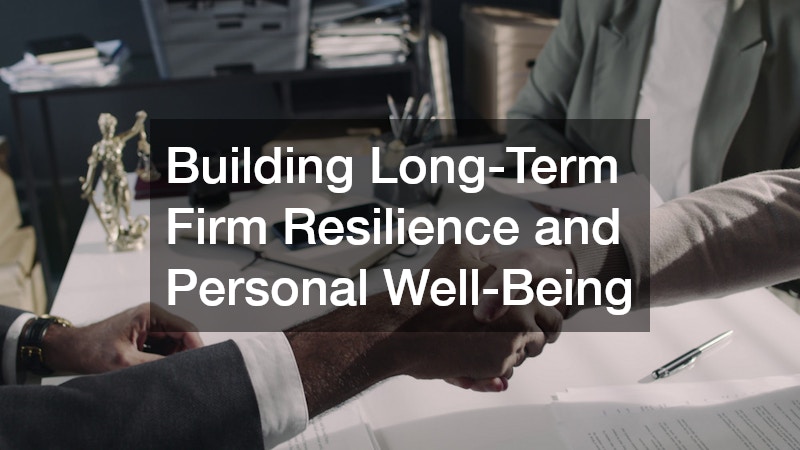
Creating a truly sustainable legal career extends beyond managing daily case tasks; it requires building resilient firm structures, establishing healthy office cultures, and prioritizing physical and mental self-care over a multi-decade career.
Structuring Mandatory Time-Off and True Coverage Systems
Many attorneys hesitate to take time off due to fear of missing urgent court filings or burdening colleagues. However, operating continuously without rest diminishes cognitive performance and increases mistake rates.
-
Mandatory Vacation Policies: Enforce mandatory annual vacation time for all attorneys and legal staff, encouraging true disconnect periods away from work email.
-
Formal Buddy Coverage Systems: Pair attorneys into coverage teams where one practitioner fully manages active files, court appearances, and client emergencies while the other is away.
-
Emergency Escalation Protocols: Establish clear criteria defining what constitutes a true legal emergency while away, ensuring coverage attorneys handle routine matters independently.
-
Advance Court Clearance: File notices of unavailability with courts well in advance of planned absences to secure trial continuances and protect motion schedules.
-
Post-Vacation Buffer Days: Block out the first day back from extended leave to review incoming mail, catch up on file notes, and organize priorities before resuming meetings.
Financial Diversification and Modern Law Practice Metrics
Financial stress is a primary driver of legal practice anxiety. Establishing predictable firm finances and evaluating success through modern productivity metrics creates operational stability.
Building a successful, long-term legal career does not require sacrificing personal health, family life, or mental well-being. By establishing clear client boundaries, leveraging modern practice technology, building strong peer networks, and prioritizing sustainable office systems, legal professionals can manage high-stakes caseloads effectively while building a rewarding and enduring practice.